We share hands-on advice for everyday trade and logistics challenges. Access insights and actionable strategies that drive certainty, continuity, and compliance across your operations.
Best practices: consolidation and cross-docking

Consolidation and cross-docking can help increase efficiencies and lower costs for shippers.
What are blank sailings?
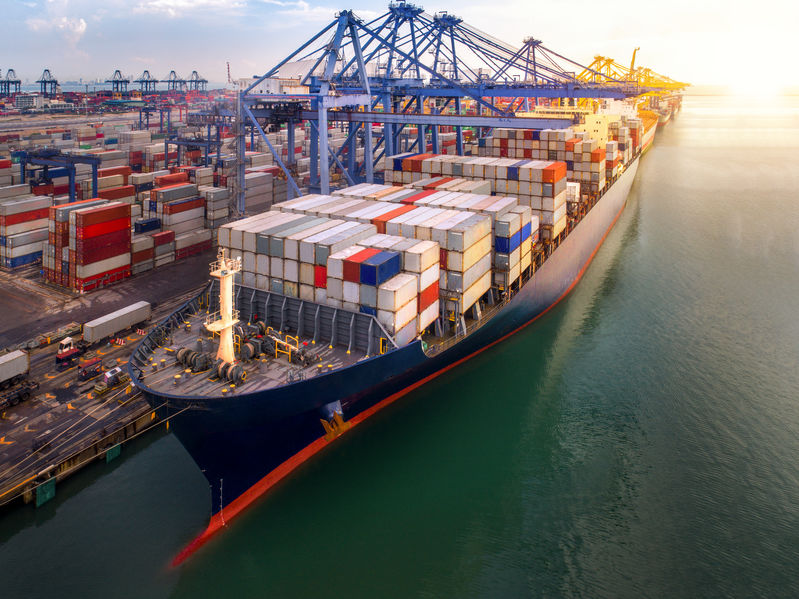
It’s a term we’re hearing more this year than ever before with unpredictable shipping patterns of international trade.
Single Window Initiative (SWI): Survival Guide for Pesticides
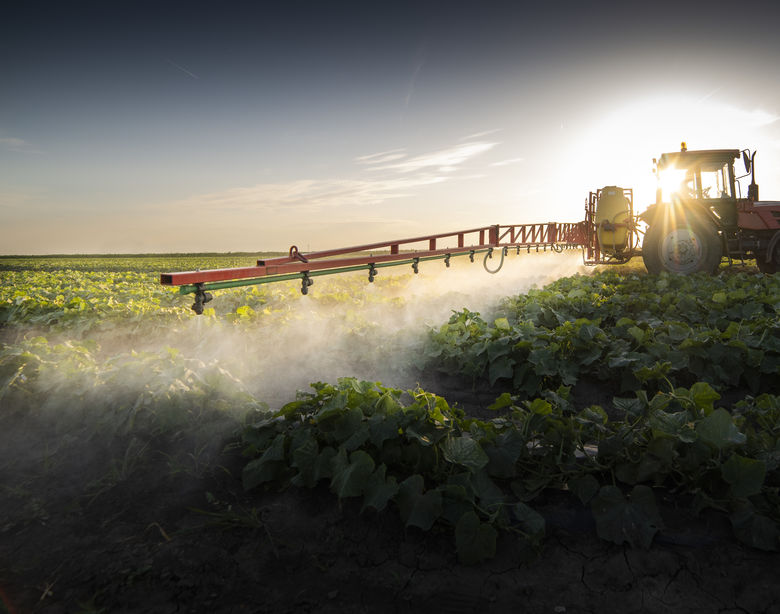
The new SWI landscape The Single Window Initiative means several changes for importers:
USMCA/CUSMA in-force as of July 1, 2020
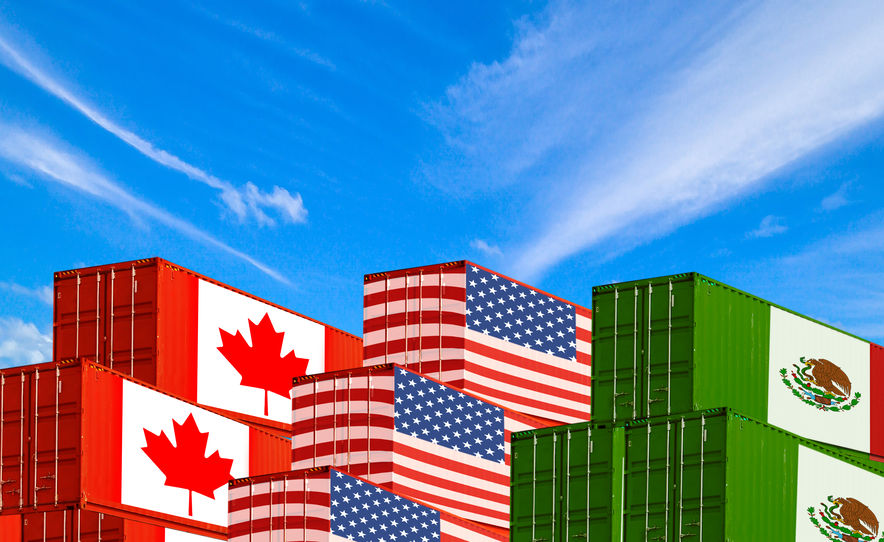
The new North American free trade agreement (known as USMCA/CUSMA/T-MEC) is now being enforced.
3 exciting innovations in logistics

With emerging technologies, changing environmental regulations, and increased automation across all sectors, innovation is exploding in the logistics industry.
Single Window Initiative (SWI) - Survival Guide for Health Canada (HC) Medical Devices program
%20Medical%20Devices%20program.png)
The new SWI landscape The Single Window Initiative means several changes for importers:
5 factors affecting transportation costs and pricing
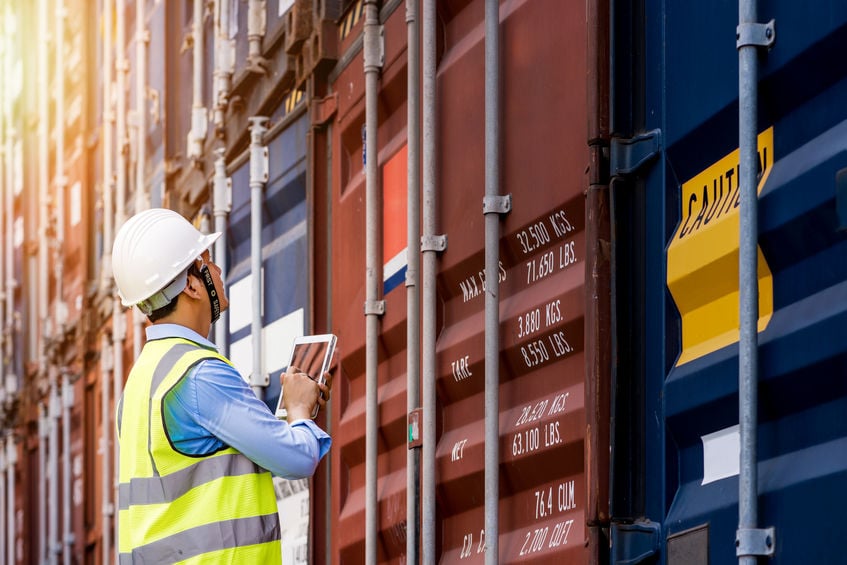
Transportation is a big part of the logistics picture. Freight can represent 50% of your logistics cost and up to 10-20% of your retail price. In a world of “free shipping” every importer knows that freight is not free.
6 ways smart trailers are changing the trucking industry
What is a smart trailer? Smart trailers are any type of trailer, from flatbed to reefer, integrated with technology providing insight into the status of the truck and its cargo.
Freight forwarder vs. Customs broker: what’s the difference
When you’re importing products, understanding what kind of service provider (or providers) you need can be confusing. Do you need a freight forwarder? A customs broker? Both?
CARM 101: everything you need to know
What is CARM? The CBSA’s Customs Assessment and Revenue Management (CARM) project is a multi-year initiative that will transform the collection of tax and duty for goods imported into Canada.