Mitigating container shortages and rising shipping prices for ocean imports
Global shipping continues to face disruptions, with importers feeling the effects of volatile transportation costs and changing delivery schedules. From container shortages to port congestion, importers face a supply chain environment that's increasingly unpredictable.For businesses engaging in global trade, knowing causes behind these disruptions and how to respond will help mitigate risks, manage costs, reduce delays, and encourage a more predictable flow of goods, despite a challenging logistics landscape.
How do shipping container shortages happen?
The global container shortage is the result of multiple factors. Many of these factors were influenced by the COVID-19 pandemic and continue to impact importers in Canada. 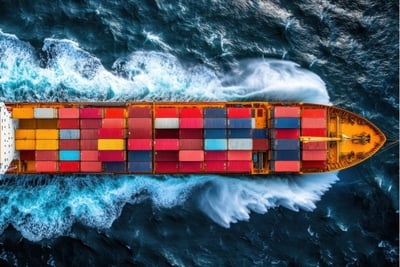
Imbalanced container distribution
When trade flows were heavily disrupted during the pandemic, a significant number of containers were stranded or left at ports where export demand is weak. This created a global imbalance in the supply of containers, resulting in some areas with too many containers and others with insufficient container supplies. When a container imbalance occurs, container prices can rise due to a reduction in supply in some regions.
Port congestion
Major ports across the world, including Canadian ports, experience congestion that can cause imports to grind to a halt. Delays in unloading and repositioning containers can create a domino effect, making it difficult for goods to move to the next step of the journey towards their final destination.
Global demand spikes
The rapid growth of e-commerce and the rebound of manufacturing after pandemic restrictions fueled surges in demand for shipping space. Seasonal peaks and sudden market recoveries further strained container availability.
Geopolitical and regulatory factors
Trade disputes, sanctions, and evolving customs or security regulations have complicated some global shipping routes. These factors can restrict access to certain ports or slow down the movement of goods, impacting the flow of imported goods.
How container shortages drive price increases
When containers are scarce and demand is high, the cost of transporting goods across the ocean will inevitably rise.
Higher freight rates
Carriers will respond to the imbalance between container availability and shipping demand by raising base freight prices. In some cases, carriers will adjust the availability of the containers to prioritize customers willing to pay higher prices.
Premium surcharges
Importers often pay extra to secure guaranteed space or equipment. These types of priority or premium surcharges can become common when demand spikes or availability of containers is scarce.
Fuel costs
Rising energy prices can also contribute significantly to higher freight rates, especially when fuel becomes more expensive due to policymakers such as OPEC.
The combination of multiple factors can have a cascading impact across the supply chain. Container shortages and rising transportation costs make it more expensive for importers. Typically, wholesalers and retailers will adjust pricing and consumers will often pay more at retail.
How importers can reduce the impact of shortages and price increases
There are many global factors beyond the control of importers. Nonetheless, utilizing practical strategies can help to reduce risk and costs.
Plan ahead
If possible, book shipments earlier than usual and factor in extended lead times to account for delays.
Diversify routings
Depending on the good you import, you can explore alternative ports or shipping lanes to avoid congested pathways.
Leverage consolidation
Consider consolidation with less-than-container load (LCL) options that share container space and mitigate costs.
Negotiate with carriers and forwarders
If you've built a strong relationship with a carrier, evaluate the trade-off between spot rates and long-term contracts. A long-term contract can provide consistency during volatile times.
Work with customs brokers and logistics partners
Ensuring correct documentation and compliance can prevent unnecessary holds or inspections. Freight forwarders can provide access to better relationships with proven shippers.
Looking ahead: how to approach industry uncertainty
New vessel orders and expanded carrier capacity may bring some relief in the coming years, but trade imbalances, geopolitical tensions, and shifting manufacturing hubs will continue to influence container availability and shipping costs. Importers can expect fluctuating freight rates and ongoing supply chain volatility in the foreseeable future.
Staying informed and embracing adaptability is key to conquering challenges and remaining resilient. In a world of ever-changing regulations and requirements, you will benefit from working with an experienced partner. Connect with Cole today.
Importing. It’s what we do.