Customs bonded warehouse activities that are allowed for imported goods
What you do with your goods while they are in a customs bonded warehouse matters, and staying within the allowed activities helps you avoid issues.
Customs bonded warehouse activities are regulated by the Canada Border Services Agency (CBSA), and only specific activities are allowed.
Because of this, how imports are handled under bond can affect documentation and accounting requirements.
In this article, we explain what a customs bonded warehouse is, which activities are allowed within it, and which aren’t.
What is a customs bonded warehouse?
A customs bonded warehouse (CBW) is a facility licensed and regulated by the CBSA where imported goods may be stored without the immediate payment of duties and taxes.
This includes customs duties, anti-dumping and countervailing duties (AD/CVD), excise duties, and applicable taxes such as GST and HST.
While goods are in a bonded warehouse, they remain under customs control and are not considered released into the market. 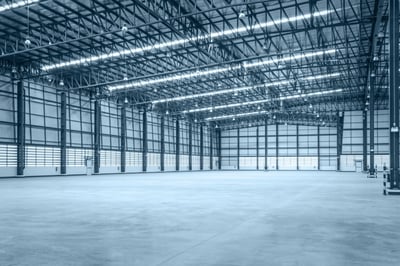
Goods may stay in a CBW until they are cleared and released into Canada, exported, or disposed of in accordance with customs requirements.
It’s important to note that restricted and prohibited goods may not be allowed to enter a customs bonded warehouse.
While restricted goods require specific permits, prohibited goods are not permitted at all, including for display purposes.
What activities are allowed in a CBW?
Only specific customs bonded warehouse activities are permitted. Under the Customs Bonded Warehouses Regulations, the allowed activities include:
- Disassembling or reassembling goods (for packing, handling, or transport)
- Displaying
- Inspecting
- Marking, labeling, tagging, or ticketing
- Packing, unpacking, packaging, or repackaging
- Removing small quantities of goods solely to solicit orders
- Storing
- Testing
- Cleaning
- Complying with applicable Canadian or provincial laws
- Diluting
- Normal maintenance and servicing
- Preserving
- Separating defective goods from prime quality goods
- Sorting or grading
- Trimming, filing, slitting, or cutting
What activities are not allowed
Activities that fall outside the permitted scope are not allowed in a CBW. These include:
- Further manufacturing of the goods
- Manipulating, altering, or combining goods in ways not listed in the allowed activities
- Any activity that materially alters the characteristics of the goods
How we can help
At Cole International, we offer customs brokerage and trade consulting services to help Canadian businesses manage bonded warehouse use and meet customs requirements.
Our team can work with you to:
- Confirm which activities are permitted while they are stored under bond
- Identify activities that may trigger additional customs requirements
- Ensure documentation is complete before your goods are released
Reach out to one of our trade professionals to discuss how we can support your use of a customs bonded warehouse and prepare your shipment for release.
Customs Brokerage. It's what we do.