We share hands-on advice for everyday trade and logistics challenges. Access insights and actionable strategies that drive certainty, continuity, and compliance across your operations.
How Canadian importers benefit from end use tariff codes and conditional relief

Duties can make up a significant portion of landed costs for imports into Canada. End-use tariff codes can help importers reduce or even eliminate duties, and in some cases, importers can legally reduce or eliminate these duties using end-use tariff codes.
The benefits of operating as a Non-Resident Importer in Canada

Operating in Canada offers major opportunities for global businesses, but navigating Canadian import rules can be a challenge. One of the most effective ways to optimize cross-border trade is by becoming a Non-Resident Importer (NRI).
How cross-docking improves shipping goods across the supply chain
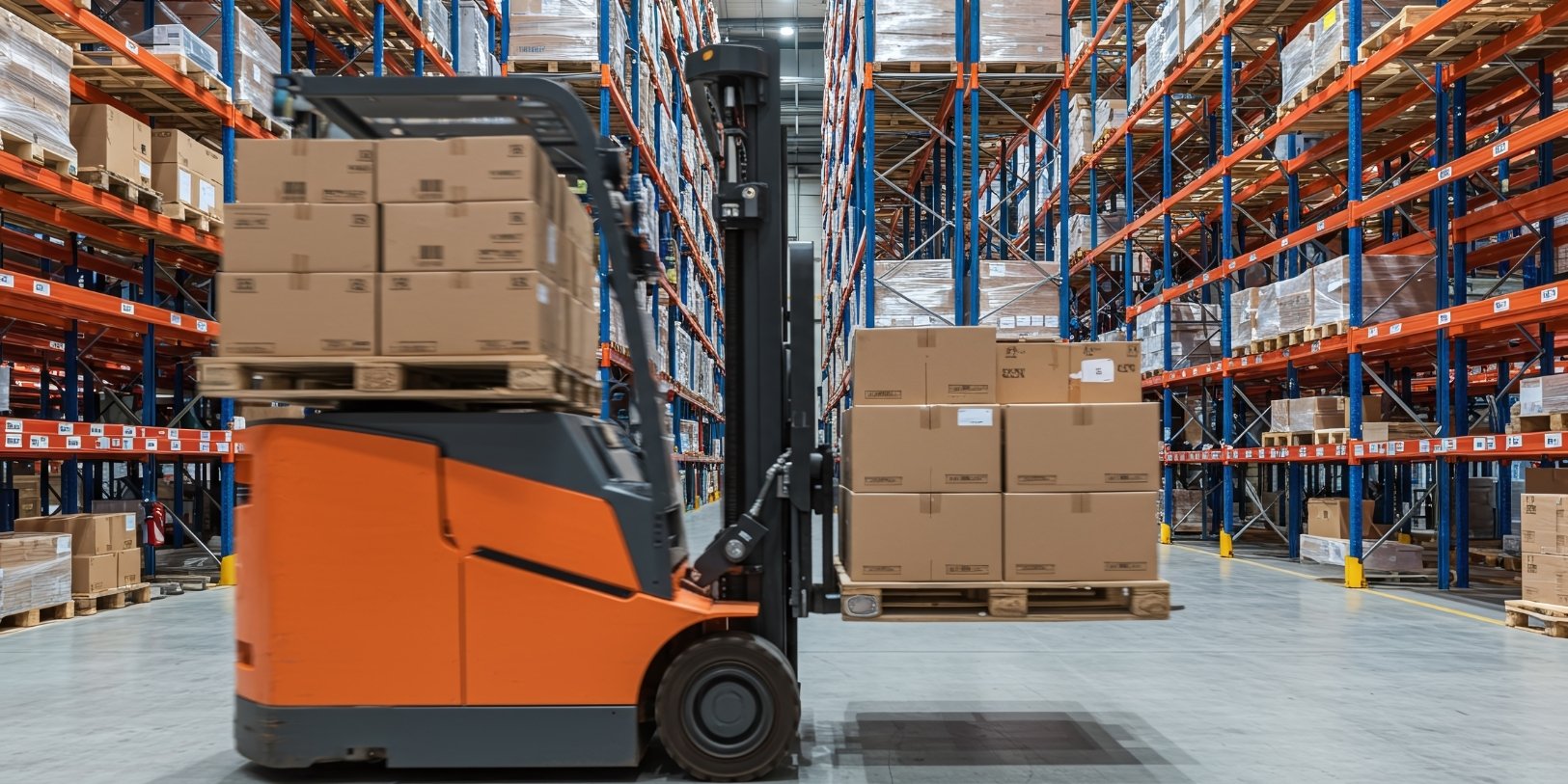
Cross-docking is a logistics technique that originated around the 1930s, helping to prioritize, streamline, and simplify the transportation of goods. When used correctly, it's a crucial part of ensuring that goods move across the supply chain efficiently.
Certificates of Origin for Canadian importers

Certificates of Origin (COs) serve as proof that confirms the country where a product was manufactured, produced, or substantially transformed into a finished good. COs play a major role in determining how your imports will be treated at the border.