We share hands-on advice for everyday trade and logistics challenges. Access insights and actionable strategies that drive certainty, continuity, and compliance across your operations.
Freight forwarder vs. Customs broker: what’s the difference
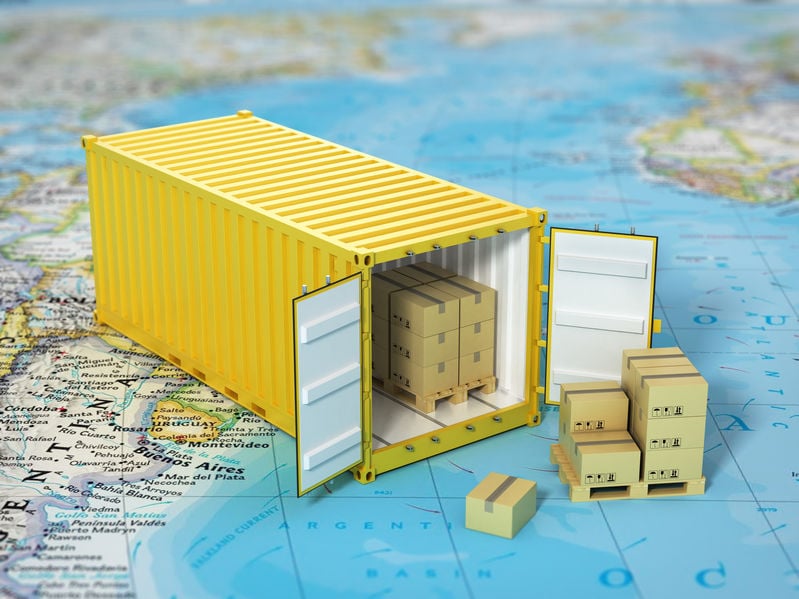
When you’re importing products, understanding what kind of service provider (or providers) you need can be confusing. Do you need a freight forwarder? A customs broker? Both?
Switching customs brokers: a guide

A solid relationship with your customs broker, and a good fit with them, is essential for an importer. But what if it’s time for a change? This week, we dive deep into why you might consider a switch and how to go about it without disrupting your operations.
Logistics 101: Customs Basics

Entering the complex business of import and export can be intense and overwhelming. Our Logistics 101 series is a gentle introduction and an easy-to-follow guide through turbulent, ever-changing waters. We aren’t going to just toss you a compass and wish you luck; we’re in the boat with you, guiding you safely to.
Freight forwarder vs. customs broker vs. full-service logistics provider
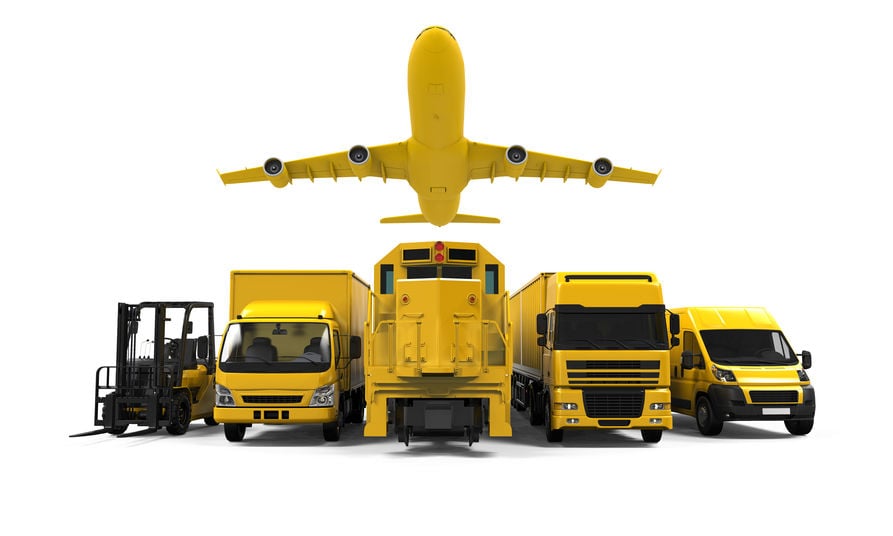
Are freight forwarders the same as customs brokers? What’s the difference? And what is a full-service logistics provider anyway?
Is your Canadian customs broker offshoring?

Did you know that some Canadian customs brokers “offshore” specific customs processes to third parties? Are you wondering if your information is being viewed and accessed by a third party in another country? Do you want some information on what this could mean for you? Then read on!
You and your customs broker: It takes two

Finding the right customs broker is like hiring anyone else to work for your company: you need to ask the right questions to make sure you're teaming up with the right person. There are many customs brokerages willing to work for you. It's up to you to identify the one that will be the best fit – who will work as your.
Take charge of the shipping process to improve your success rate at the border and beyond

We hear concerns from importers and exporters every day. Concerns such as… "My carrier had to wait at the border, causing delays for not just my shipment but all the shipments on the truck." "My air shipment arrived and was not accepted by CBSA so it didn’t clear until the next day. I might as well have sent it by.
Should I maintain my own HS Classification database?

We defer to experts for all kinds of things: maintaining our cars, fixing our computers, filing our taxes. It takes the guesswork out of these specialized jobs and gives us peace of mind that someone knowledgeable is taking care of us. But, whether you are a big or small business, you’re also looking for ways to save.
Chapter 4: Importing into the U.S. – Know Your Responsibilities
Customs brokers work with companies that import and export goods across international borders to help ease the process and reduce the possible risks associated with cross-border trade. Under the Mod Act, importers are responsible for demonstrating compliance with U.S. Customs and Border Protection (CBP) requirements –.
How can I ensure my broker and carrier are working together?

If you want to have problem-free border crossing of your goods, then you will want to ensure there is good three-way communication between you - the importer, your broker, and your carrier. As the importer, you can facilitate a working relationship that benefits you and your company. By having a good working.